
Nestled in the heart of Michigan’s picturesque landscapes, a vineyard’s journey through the seasons offers a fascinating glimpse into the world of cool-climate viticulture. From the tranquil dormancy of winter to the vibrant awakening of budburst, each stage plays a crucial role in crafting the unique flavors of Michigan wines. As the vines flourish under the careful guidance of vineyard management, the transformation from lush green shoots to the rich hues of veraison is a testament to nature’s artistry. Embrace the magic of harvest, where the culmination of a year’s hard work results in bottles that capture the essence of this extraordinary region. Join us as we explore the intricate dance of a vineyard’s life cycle, and discover why Michigan’s cold-climate wines deserve a place at your next dinner party. Learn more about our vineyard journey here.
Winter Dormancy in Cold-Climate
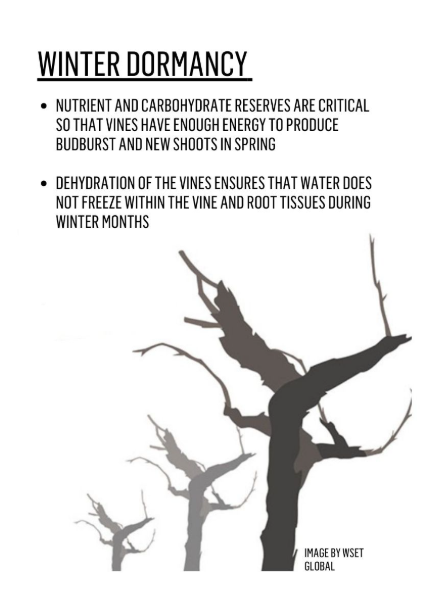 In winter, Michigan vineyards enter a state of dormancy. Dormancy is a period where metabolic activities slow down, allowing vines to conserve energy. This phase is crucial as it prepares the vine for the upcoming growing season. Cold-hardiness is vital during this time, and it’s fascinating to see how these vines withstand freezing temperatures.
Michigan’s cold climate can be harsh, but the vines are hardy. They’re designed to endure. The dormant vines may look lifeless, yet beneath the surface, they’re gearing up for spring. Check out American Vineyard Magazine for insights into how genetics and environment play a role in this process.
During this period, vineyard management focuses on safeguarding vines from extreme conditions. Practices like mulching and pruning are common to ensure vines remain healthy. Explore vineyard management techniques in this Q&A with Nick Florip.
Spring Awakening: Budburst
Spring heralds the start of a new growing season with the phenomenon of budburst. This stage marks the end of dormancy as buds begin to swell and break open. Budburst is an essential indicator of vine health and productivity for the year.
- Monitor Weather Conditions: Spring can be unpredictable, and frost is a concern. It’s vital to monitor and respond to weather changes promptly.
- Nutrient Management: Ensure vines receive adequate nutrients to support new growth, as outlined in this Michigan State University article.
- Pest Control: Early spring is also a critical time to protect against pests that might damage young shoots.
Summer Growth: Shoot Development
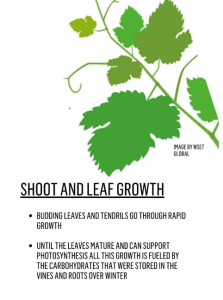
When summer arrives, the vineyard is a hive of activity, as shoot development takes center stage. Shoots grow rapidly, fueled by the sun’s

energy and the nutrients absorbed from the soil. This growth phase is essential for setting the potential yield of the vineyard.
During shoot development, maintaining vine balance is crucial. Proper canopy management ensures optimal sunlight exposure and air circulation, which are important for fruit quality. This period demands careful observation and timely intervention.
- Canopy Management: Techniques like shoot thinning and leaf removal help manage the vine’s vigor and enhance grape quality.
- Water Management: Implementing efficient irrigation practices ensures that vines receive the necessary hydration without excess.
- Disease Monitoring: Summer humidity can lead to diseases; hence, regular monitoring and intervention are vital.
 Summer Growth: Flowering and Fertilization
 Summer Growth: Flowering and Fertilization
As summer unfolds, a crucial phase in the vineyard begins—flowering and fertilization. This period is vital as it determines the future yield by setting the number of grapes that will eventually develop.
During flowering, tiny blossoms appear on the vines, a sight that signals the vineyard’s reproductive stage. Successful fertilization of these flowers is essential for fruit set, which directly impacts the quantity and quality of the harvest.
- Pollination Management: Ensuring optimal conditions for pollination, including stable weather and minimal disruption, is key to maximizing fruit set.
- Nutrient Support: Providing adequate nutrients during this time can promote strong flower development and improve fertilization success.
Pest and Disease Control: Vigilant monitoring for any pests or diseases that could threaten the delicate flowers is crucial for safeguarding the future crop.
Autumn Excitement: Harvest
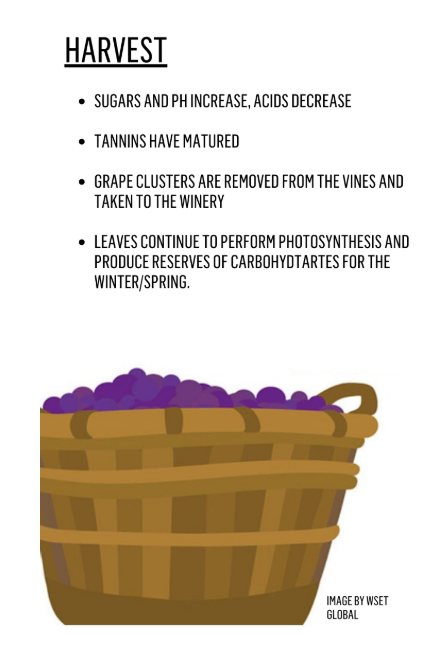
As summer turns to autumn, the vineyard enters one of its most crucial phases—harvest. This period is essential as it determines the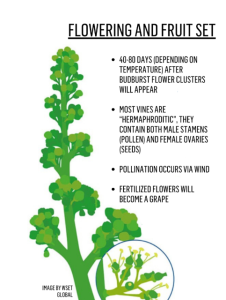 culmination of efforts put into nurturing and tending the vines throughout the year.
During harvest, ripe grapes are carefully picked from the vines, signaling the start of the winemaking process. The timing of the harvest is vital to ensure the best balance of sugars and acidity, which directly impacts the wine’s flavor and quality.
- Harvest Timing: Choosing the optimal moment to harvest, when grapes have reached their peak ripeness, is key to achieving high-quality wine.
- Labor Management: Ensuring an efficient harvest crew and gathering the grapes quickly and carefully minimizes fruit damage and preserves quality.
- Post-Harvest Handling: Immediate and proper handling of grapes after picking is crucial to maintaining freshness and preventing spoilage, setting the foundation for excellent winemaking.
The growth and development during this stage set the foundation for the veraison phase. Understanding these processes can deepen one’s appreciation for the complexities of winemaking. For more insights into vine development, explore this research article.