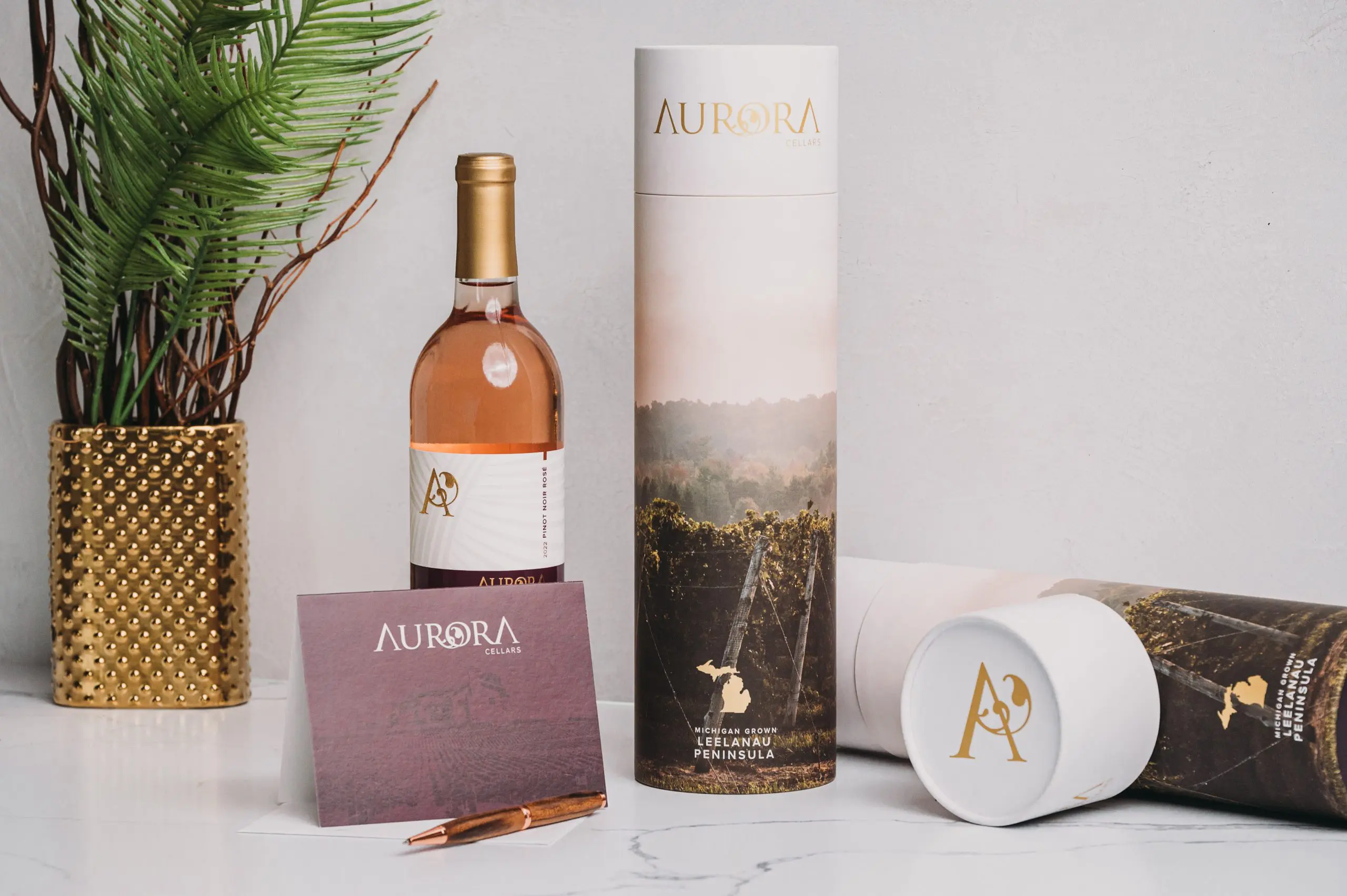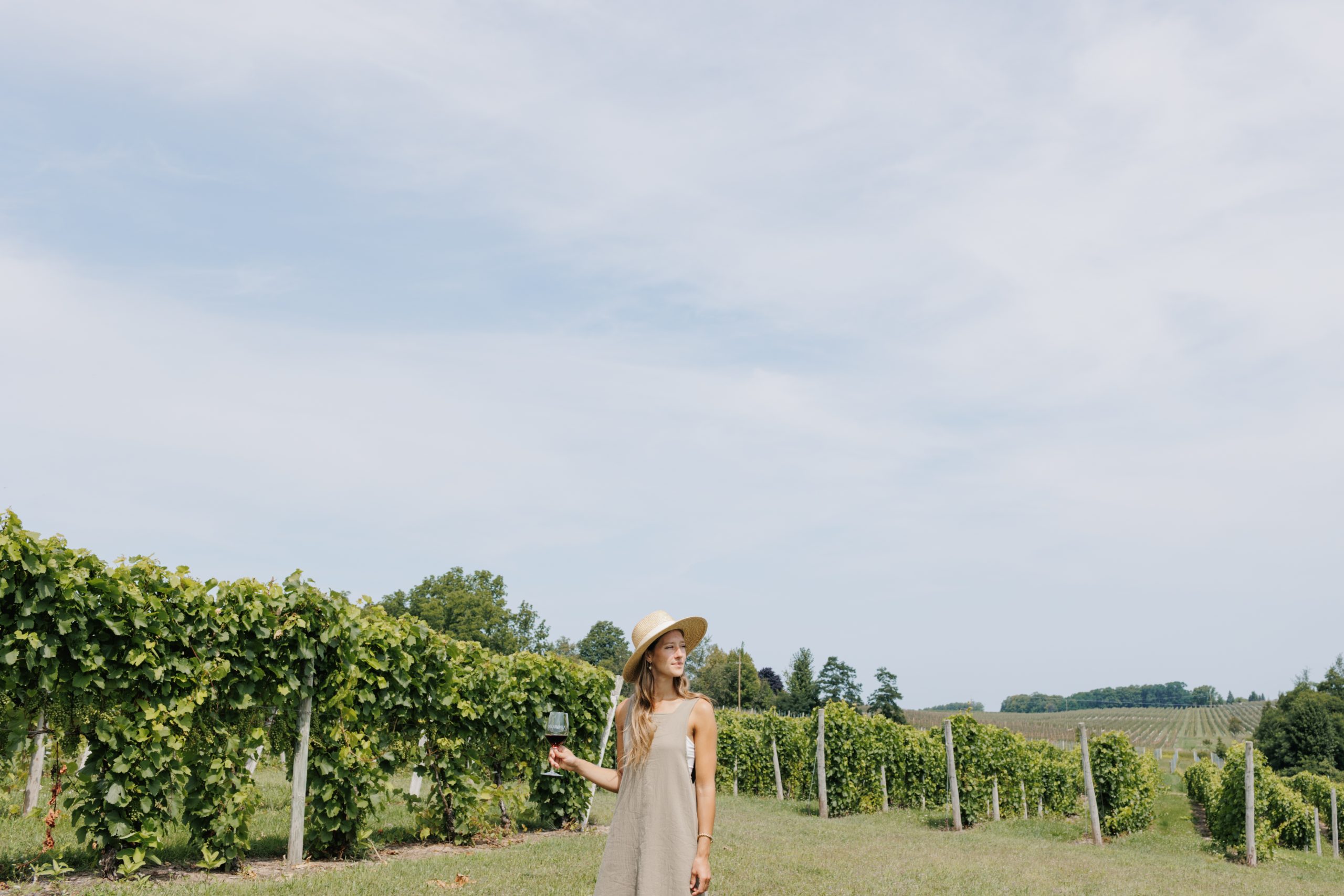
Nestled in the serene landscapes of Northern Michigan, Aurora Cellars is quietly revolutionizing the way we experience Sauvignon Blanc, offering wine enthusiasts a fresh and unique tasting journey. In the cool-climate terroir of the Leelanau Peninsula, where sunny days marry with crisp, cool nights, Aurora Cellars has crafted a Sauvignon Blanc that rivals those from renowned regions like New Zealand, the Loire Valley, and Coastal Chile. With accolades such as Double Gold and Best of Class at the prestigious San Francisco Chronicle Wine Competition, Aurora Cellars stands as a testament to Michigan’s burgeoning wine scene. As you explore this hidden gem, prepare to be captivated by flavors that dance between vibrant passion fruit and refreshing lime zest and kiwi. Embrace this wine discovery and let Aurora Cellars’ Sauvignon Blanc redefine your palate with its distinctive Michigan wine character.
 Unique Cool-Climate Characteristics
Northern Michigan, particularly the Leelanau Peninsula, harbors a hidden treasure in the world of wine: Aurora Cellars. Northern Michigan is an unexpected yet perfect locale for crafting world-class Sauvignon Blanc. The Leelanau Peninsula’s cool climate is a crucial factor in its winemaking success. Cool-climate regions, like Northern Michigan, are characterized by their distinct temperature variations—warm days followed by crisp, cool nights. This pattern is instrumental in developing the vibrant flavors and refreshing acidity typical of Sauvignon Blanc.
The terroir of the Leelanau Peninsula is comparable to other celebrated wine regions such as New Zealand, the Loire Valley, and Coastal Chile. The combination of sunny days and cool nights contributes to the complexity of the wine and the influence of large bodies of water moderates temperatures throughout the growing season.
To truly appreciate the impact of this climate, consider how the terrain, elevation, and proximity to Lake Michigan work together. These natural elements create a microclimate that is both challenging and rewarding for dedicated winemakers. Nick Florip, Vineyard Manager, emphasizes the importance of carefully choosing where Sauvignon Blanc is planted; “Sauvignon Blanc is probably one of our best growers if the site is chosen very specifically.”
Crafting Perfection in the Vineyard
According to Drew Perry, Head Winemaker at Aurora Cellars, the journey to exceptional Sauvignon Blanc begins with the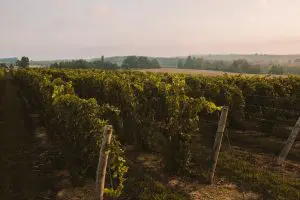 farming team, “it all happens in the vineyard” he states. Site selection is critical, and in Northern Michigan, vineyards are chosen with the same care as those intended for red wine grapes due to heat and exposure requirements.
- Planting: Sauvignon Blanc vines are planted in locations with optimal sun exposure, crucial for ripening.
- Pruning: The vigorous growth of these vines requires careful pruning to enhance air circulation and sunlight exposure.
- Leaf Management: An extra leaf blow and hedge (removing extra plant material from the top of the vine) are necessary to manage vegetative growth. Restricting leaf growth helps focus the plant’s attention on ripening grapes.
The dedication to managing vine growth ensures the grapes achieve the desired ripeness, contributing to the wine’s unique flavor profile.
Award-Winning Recognition
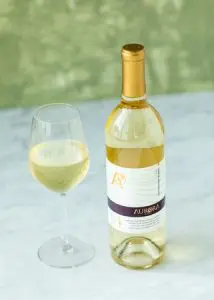 Aurora Cellars has not only captivated local wine enthusiasts but also gained national acclaim. Their Sauvignon Blanc has consistently won accolades at the San Francisco Chronicle Wine Competition, the largest of its kind for American wines.
- 2025: Double Gold
- 2024: Best of Class
- 2023: Double Gold
These achievements highlight the commitment to excellence at Aurora Cellars. The competition’s judges, a mix of winemakers, trade representatives, and culinary professionals, recognize the superior quality and unique characteristics of their wines year after year.
Such recognition reinforces the potential of Northern Michigan as a burgeoning wine region. It invites wine enthusiasts to explore and appreciate a new wine experience, where each sip tells the story of the land and the people dedicated to crafting it.
This journey is not just about tasting wine; it’s about discovering a new wine culture that is as rich and rewarding as the flavors themselves.